Swiss Meringue Buttercream: The Complete Recipe (Plus Troubleshooting)
Feb 04, 2026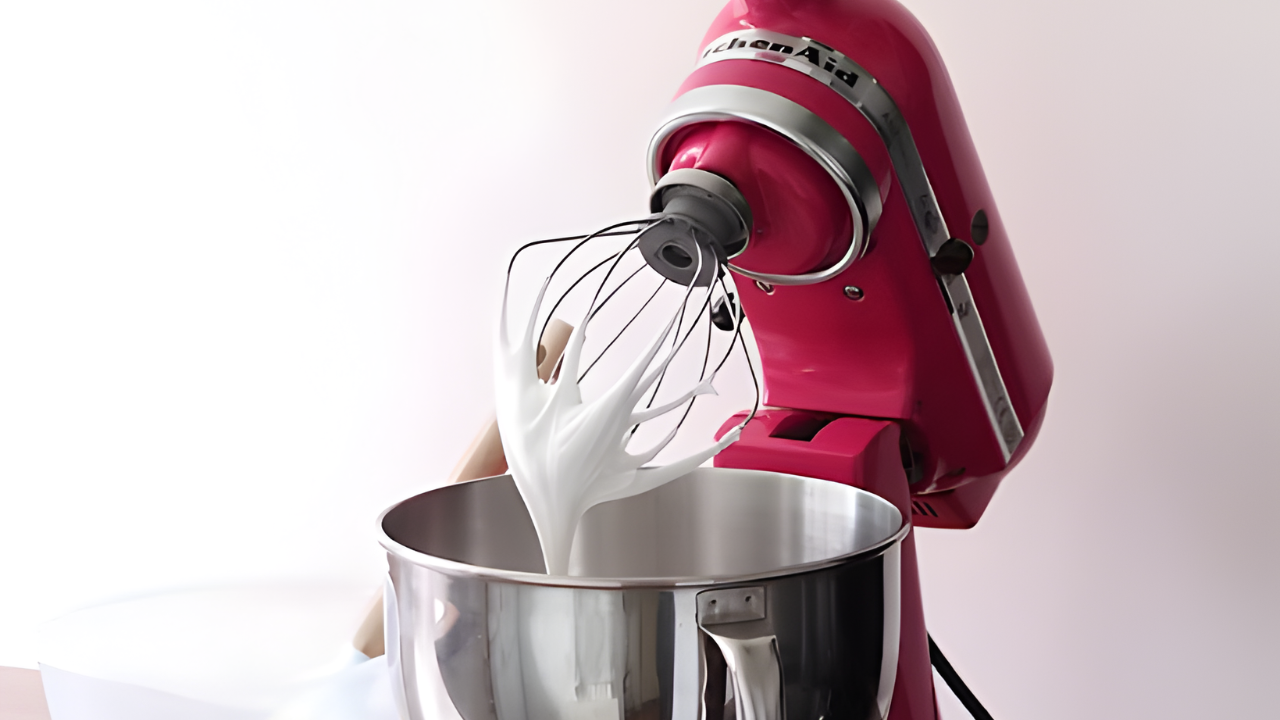
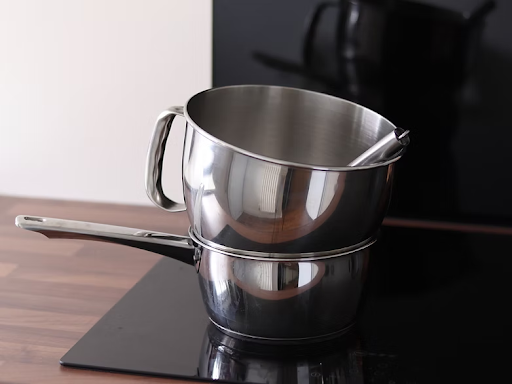
Heat 100g egg whites and 200g caster sugar over a bain-marie to 50-55°C, until the sugar has fully dissolved. Whisk until the meringue cools to 34-35°C, then add 250g soft butter. Temperature is everything: too warm and the buttercream turns soupy, too cold and it splits.
Before We Dive In
I want to insist on one thing: Swiss Meringue Buttercream CAN be tricky, but if you master your temperatures, it doesn't have to be! I know some people actually told me they were avoiding it because it is too complicated, but in reality, like many things in pâtisserie, it is a question of chemistry. If you control certain critical points - in this case, temperatures - then you will be just fine! You will find the explanations as you read the recipe, so make sure you don't miss a thing :)
The Recipe
To Fill a 6" Cake
Egg whites 100g
Caster Sugar 200g
Butter 250g (soft and at room temperature*)
*Room temperature means that it should be easily pliable - not “sweaty” (borderline melted) but by being able to flatten it with a spoon or spatula with little resistance. “Room temperature” is a bit misleading: if your room is at 19°C, then obviously your butter will stay too cold and hard, even 2 hours after taking it out of the fridge, so you still won't be able to work with it (like Marcelle, my Grand-Mother, used to say: "it goes without saying, but it's best saying it!". Amen to that).
The idea of the Swiss Meringue is to melt the sugar crystals in the egg whites. So pour your whites and your sugar into your mixing bowl, and set it on a Bain-marie. Keep stirring it gently so as not to cook the egg whites until you reach 50-55° C. Sugar should be completely dissolved by then.
Place your bowl on your mixer and start whisking it at almost full speed - with the whisk attachment of your mixer- until temperature goes back down. Now, what does "down" mean here?? A bit of explanation...
The Secret to Perfect Buttercream: Temperature Control
Here is the important thing you need to know about butter: its melting point is between 28 and 35°C depending on the type of butter. But in order to form the perfect emulsion, you need a bit of heat to help melt the butter very slightly. If you wait too long and add the butter when the meringue's temperature has dropped radically (below 28°C), then your butter will stiffen and your whole batch will "split" - in other words, liquid and fat will separate resulting in a nice curdled texture... #funtimesahead
So the ideal sweet spot is to add your butter to the meringue when the latter has dropped down between 34-35°C - this temperature will bring just enough heat to gently emulsify the butter and meringue without turning your buttercream to "soup" (too hot) or split (too cold).
One of the ways to control this is to use a thermometer of course, and check before you add the butter. Obviously this is something you will do the first few times, and when you get used to making it, you will trust the back of your (clean!) little finger to determine whether your meringue is ready or not to "receive" the butter.
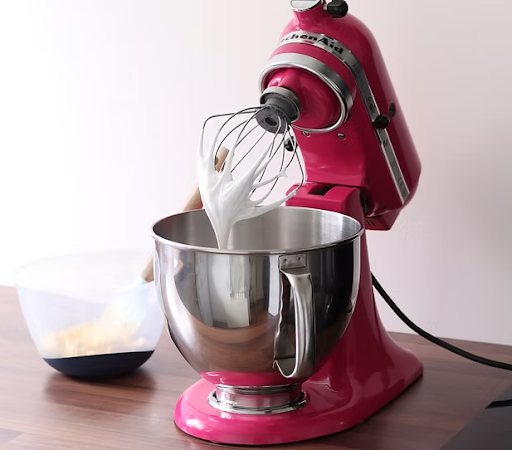
So when your meringue has just reached 35°C, lower the speed of your mixer to medium-low and start adding your butter (you can add it all in one go. No need to cut small cubes - rather, split your butter block in 3-4 chunks to help your mixer) - It is really important at this stage for your butter to be soft and pliable (see little * in the ingredients list at the beginning)! At this point I suggest switching to the paddle attachment (but you can keep the whisk) and whip on medium to high speed, stopping and scraping the sides at least once before resuming whipping for a couple of minutes at least.
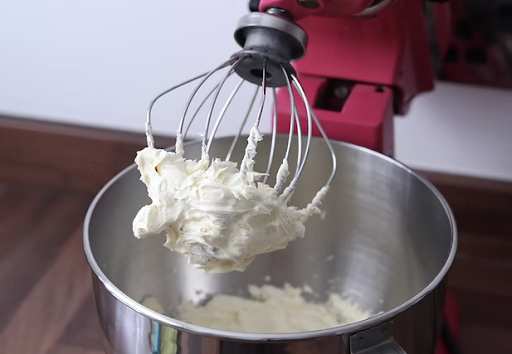
And voilà, your meringue is ready! Well, almost... If you've kept the whisk attachment, it should have quite a few air bubbles, you will have to work it with a spatula to loosen it a little and smooth it down. Voilà, NOW it's ready!
Troubleshooting Your Swiss Meringue Buttercream
Regarding our temperatures, two things can go wrong in this process (as we all know, things don't always go as planned...):
First scenario: Despite everything, your meringue was too warm, and your finished buttercream became very liquid.
Solution: Just place your bowl in the fridge for 5-10 minutes (obviously more or less, it's up to you to judge how much it needs) and when the sides have set a bit, put it back to whisk and it should be fine!
Second scenario: your meringue seems to be splitting and curdling when adding the butter. As mentioned above, that is because either your butter was added to a cold meringue, or the butter itself was too cold, or the room is too cold. You get my point though: it's too cold!
The solution: if you have a blow torch (that works ONLY if your bowl is stainless steel), gently heat the outside of your bowl by moving the flame of your torch around the bowl as your mixer whisks the meringue. This will melt the cream around the side of your bowl and by bringing it in while whisking, it will warm up the rest of the mixture. Alternatively, you can seat your bowl on the Bain-marie again until the buttercream in contact with the bowl starts melting slightly. Then put it back to whisk. The last option is to extract a small amount of buttercream (about ¼ maximum) that you will heat in the microwave until almost melted, then pour it back with the rest of your buttercream and whisk it until perfect consistency.
Reheating Your Buttercream
A few people complain about how hard it is to re-heat a cold SMBC. It tends to split (again!) when you want to bring it back to working temperature. And once again, your best bet is to leave it to come back at room temperature, then reheat a small amount of your cream in the microwave (about 10% of your total batch) and whisk it with the rest of your BC on the bowl of your standing mixer with your whisk attachment (as a rule of thumb, the whisk always works better than the paddle attachment to "rebuild" the structure of a split cream, also works with frangipane and other creams of the sort). The result: your cream will be brand new!
Alternative: Golden Caster Sugar for Caramel-like Buttercream
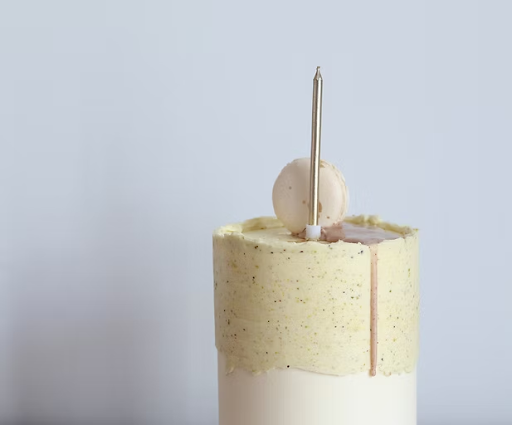
This recipe works PERFECTLY with Golden Caster Sugar and light brown sugar. It will bring a warm and delicious taste to your buttercream, almost caramel-y, perfect for a vanilla (and pistachio!!!) buttercream or for any wintery cake flavour! Just add the same quantity of Golden Sugar that you would have of the caster and let me know what you think - make sure that all the sugar crystals are well melted before whipping it - for larger sugar crystals you might have to melt your egg/sugar mixture all the way up to 65-70°C to ensure no crystals remain.
Please note that when using Light Brown Sugar, your final buttercream will have a much darker hue. It is my go-to buttercream base for Chocolate buttercream however, as it enhances the rich chocolate flavour - plus the rich base colour is no more a problem.
Swiss Meringue Buttercream FAQs
Why did my Swiss Meringue Buttercream split or curdle? It’s too cold. Either the butter went into a meringue that had dropped below about 28°C, the butter itself was too cold, or the room is. Warm the bowl gently with a blow torch (stainless steel bowls only) or over the bain-marie while it whisks, or melt about a quarter of the buttercream in the microwave and whisk it back in.
Why is my buttercream runny or soupy? The meringue was too warm when the butter went in. Chill the bowl in the fridge for 5 to 10 minutes until the sides set a little, then whisk again.
What temperature should the meringue be when I add the butter? 34 to 35°C. That’s warm enough to emulsify the butter gently without melting it.
How do I bring cold buttercream back to life? Let it come back to room temperature, then microwave about 10% of the batch until almost melted and whisk it back into the rest with the whisk attachment.
Can I use golden caster or light brown sugar? Yes, in the same quantity. It gives an almost caramel-like flavour. Heat the egg whites and sugar to 65-70°C so the larger crystals fully dissolve. Light brown sugar makes a darker buttercream, which is perfect as a base for chocolate buttercream.
I do hope you love that recipe and found this post helpful in any way (although I'm sure many of you already have their own SMBC recipe!).
With love,
Zaza Xx