The Online Cake Shop That Changed How I Sell Celebration Cakes
Sep 11, 2026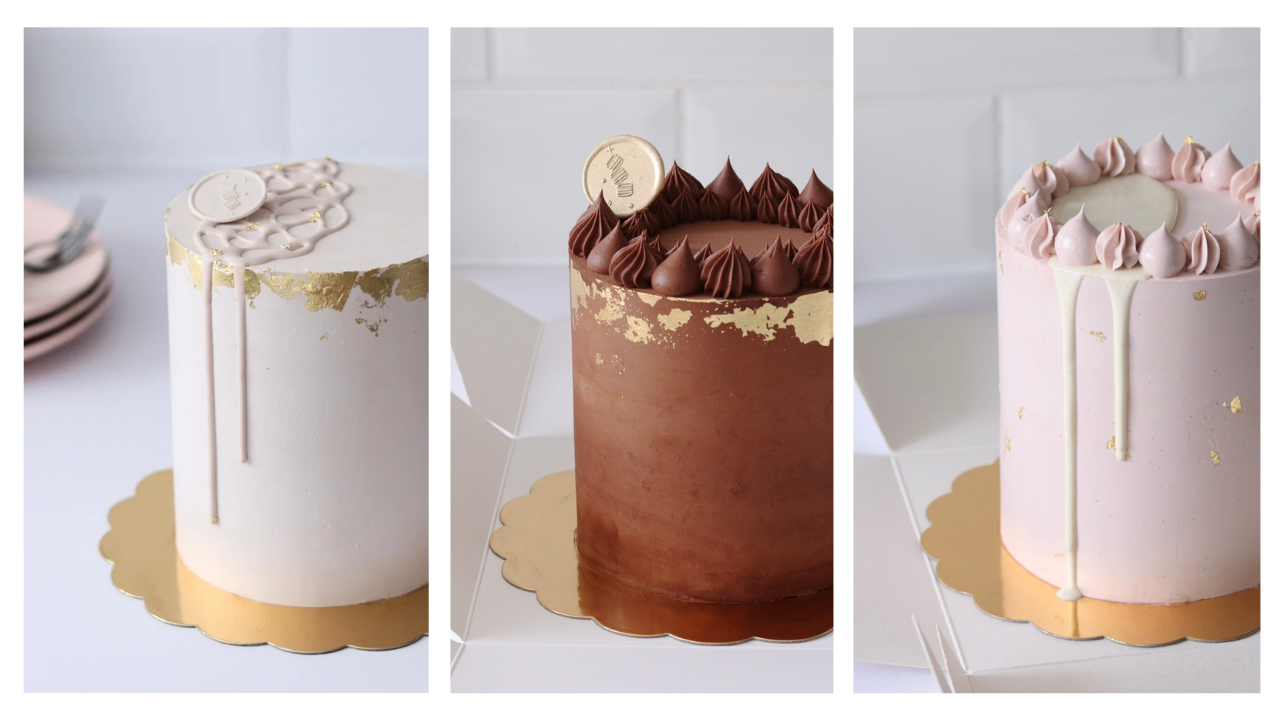
An online cake shop lets customers choose a cake, pick their flavour, colour and size, and pay upfront, without the back and forth of DMs and quotes. For celebration cakes, that back and forth is usually where the profit goes. Start with five designs you love making, priced properly, with clear lead times and pickup rules.
There was a stretch, right in the middle of COVID, when I finally set up an online shop for my celebration cakes. Orders started coming in steadily. The ball was properly rolling for the first time. And then I got heavily pregnant, and I stopped everything, because I was about to give birth and I couldn't do it anymore.
I never really picked it back up. Lack of childcare meant that I started focusing on the teaching side of my business, and I slowly stopped making cakes for paying customers.
But I think about that little shop a lot. Because for the few months it ran, it did something my old way of taking orders never managed. It made celebration cakes actually worth making.
Let me explain what I mean, because this is the bit I want every cake maker to hear.
The problem nobody wants to say out loud
Celebration cakes are a bit of a trap.
A birthday cake doesn't take anywhere near as much admin as a wedding cake. But honestly? It's quite close. The DMs, the "can you do this but in blue," the back and forth about pricing, the quote that goes quiet and never turns into an order. All of that time, for a cake you charge four times less for.
I've talked to so many cake designers over the years, and I'll be straight with you: most of them barely pay themselves minimum wage on celebration work. If that. Not because they're not good enough. Because the way they're selling eats all the profit before it reaches them. Time is where we lose our money. Always.
And there's a second thing, a pricing thing, that drives me a bit mad - and I’m sure you’ve heard it too. People say "as soon as you put ‘wedding’ in front of anything, you can pull the prices up." True. But it's the wrong way round in their heads. When it's a wedding, you finally charge the right price. When it's a birthday, you undercharge, because you're worried people won't pay that kind of money for a celebration cake. The result is a race to the bottom, resulting in some cake makers trying to compete with the supermarket. And unsurprisingly, they lose, taking down the whole industry with them.
But it’s not all doom and gloom. In my own experience, having an online shop fixes a lot of issues. Here's how.
What actually changes when the shop does the selling
When I built my shop, the plan was simple. A small collection of cakes I genuinely enjoy making, that I know I can make on repeat, priced the way I want to price them so there's real profit in each one (and cherry on the cake: I don’t have to explain my prices to anyone anymore. Yay to that!).
Then I let the website do the work.
People hop on. They see a cake they like. They choose their colour, their flavour, their size. They place the order and they pay there and then. I get an email telling me I've got an order for that date. That's it. The whole back and forth just... completely gone.
Now I won’t lie, it took me time to set up (no magic wand trick here I’m afraid). But once it was up and running - happy days! The admin that used to swallow my evenings wasn't there anymore, and the prices were right from the start, because I'd set them properly instead of negotiating them down one nervous email at a time.

The bit most people get wrong (from someone who builds these for a living)
This subject is so dear to me that I had to create a masterclass on the subject inside the Modern Cake Society. I sat down with Pip, who runs Webdesign & Stuff and builds online shops for small food businesses all day, every day, because I wanted the technical truth from someone who does this professionally, not just my own happy story.
And everything she said backed up what I thought to be true when it comes to running your online shop. In a nutshell:
A shop that just sits there doesn't sell. "I like to look at your website as if it is an actual physical shop. You wouldn't leave the window as it is all year. You'd bring a new product to the front, the window would change seasonally."
And then there are two things she comes back to again and again (and they're the ones worth writing on your hand, just so that you don’t forget).
1.Photography. This is the one people forget, oddly, and it's the one that matters most.
"It doesn't matter how well set out your website is. If you've got dark, rubbish pictures, it won't work. Your website needs really, really, really good photography, especially when it's food."
I couldn’t agree more with Pip on this, which is why taking a photography course was one of my first investments when I started my cake business. That’s also the reason why we have a full masterclass on the subject inside the Society (as well as a YouTube video tutorial you can watch on my channel).
You've got about three seconds. That's Pip's number, and it's roughly how long someone gives your homepage before they scroll down or click away. Three seconds to make them think I want that now. A badly lit cake photo loses the sale before they've read a single word.
2. Navigation that says what you sell. Not a menu that just says "Shop." As Pip asks: if you landed on that page, would you even know what it sold? Be specific. "Birthday Cakes," "Celebration Cakes," "Wedding Enquiries." Specific links help your customer and your SEO at the same time.
"But I love bespoke. Won't I leave money on the table?"
This is the question I get every single time, so let's talk about it for a second.
I used to think the same. Then I noticed something about myself as a customer. If I walk into somewhere with too much choice, I freeze. Choice paralysis. I can't decide, so I decide nothing. But a restaurant with a concise menu where I know exactly what I'm getting? Easy. Sign me up.
Most of your customers are the same. And here's the honest truth that surprised me: I never had as many cake orders as when they were right there for people to see and choose, without having to speak to me first. Not fewer orders. More.
Oh, and you're not giving up bespoke, by the way. You're just creating a container, instead of letting people flood your mailbox with anything but what you actually love to make (it is YOUR business after all, so it should be your rules). Pip's advice on keeping some made-to-order magic without drowning in admin:
- A personalisation box on your standard cakes. Give them a few specific choices (a name, a colour, an add-on like candles or a topper), not infinite ones
- A bespoke enquiry form for the bigger, proper custom jobs, with dropdowns and even a photo upload for inspiration pictures. So the tricky enquiries still come in, just tidily (and you still lead the conversation by asking the right questions).
- And the one that solves the home-baker's nightmare: apps like Bird Pickup that let you set lead times and block out dates. So nobody can book a cake for tomorrow, and nobody can book for the week you're away. You set the rules once, and the shop holds the line for you.
That last one is the last piece of the puzzle. When you run a business from home, "people can just show up whenever" is a real problem, and having the website enforce your pickup slots in the background really takes the weight off.
Before you dive in, ask yourself this
An online shop isn't right for everyone, and I'd rather you know that now than three weeks in. So a few honest questions to sit with first. These come straight from the workbook we use inside our Society course:
- What's your main offering? Celebration cakes, cupcakes, treat boxes? Name it clearly.
- Are you happy for people to buy directly, then and there? Be honest here. If the answer is no, if you truly only want fully bespoke work, an e-shop might not be for you, and that's fine. However, I would strongly advise having at the very least an enquiry form so that you are still in control of the container, and weed out time wasters. Remember: your house, your rules.
- What lead time do you need? Mine was a minimum of two weeks. Yours will be different. Decide it before you build.
- Pickup, delivery, or both? And what are your boundaries around each? Write them down.
- What are your five? This is Pip's start-small rule, and it's the one I'd insist everyone follows (in fact, that’s how I started my own cake shop). Her own shop launched with a collection of five designs. Five. Don't try to build the whole bakery on day one. Start with a small, strong collection, get it right, and let it grow as you learn the platform.
By the way, if you can answer those five, you're more ready than you think.
The honest wrap-up
An online cake shop won't magically fill your calendar the day you publish it. Photography, pricing, clear navigation, they all have to work together, and that takes a bit of effort (and time).
But the thing it does do, the thing I felt within weeks, is take celebration cakes from “admin pitfall with next to no profit” to “scalable business”. Less admin. Better prices. Cakes made on repeat that you actually enjoy. Orders landing in your inbox while you're out running errands (or having a shower!).
And if I was starting again today, knowing what I know now? I'd 100% build the shop first.

Fancy a proper dive into the subject?
Here's a thought. Pip's full online cake shop masterclass lives inside the Modern Cake Society, and you don't have to commit to anything long-term to watch it.
Join us for a month, sit down with the whole masterclass (Pip walks you through the Shopify setup step by step), grab the workbook that goes with it, and have a good look around at everything else we've got in there while you're at it. If it's for you, stay. If it's not, no hard feelings.
For the price of a single class, you get the class and a month inside the Society. Not a bad deal, if you ask me...
Online cake shop FAQs
Is an online shop worth it for celebration cakes? For most cake makers, yes. Customers order and pay without messaging you first, and your prices are set upfront instead of negotiated. In my experience, I never had as many cake orders as when they were right there for people to choose.
How many cakes should I start with? Five. Start with a small collection of designs you can make on repeat, get it right, then let it grow as you learn the platform.
Will I lose bespoke orders if I sell online? No. Add a personalisation box to your standard cakes (a name, a colour, an add-on), and keep a bespoke enquiry form for the bigger custom jobs.
How do I stop people ordering cakes at the last minute? Use a pickup or scheduling app, like Bird Pickup, that lets you set minimum lead times and block out dates. Mine was a minimum of two weeks.
What matters most on an online cake shop? Photography first, then clear navigation. Visitors give your homepage about three seconds, and menu links should say exactly what you sell, like “Birthday Cakes,” not just “Shop.”